


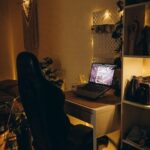


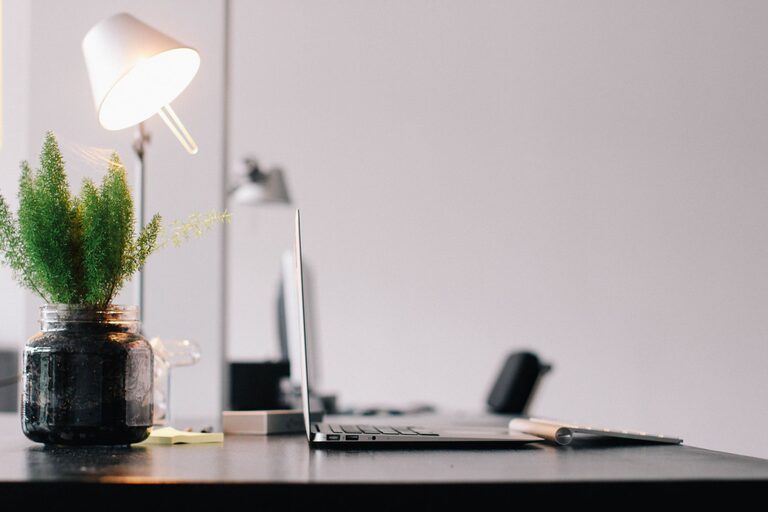
Creating a productive home workspace is essential for anyone working or studying remotely. A well-organized area that promotes focus and comfort can make a significant difference in your daily performance and overall well-being. Whether you have a dedicated room or a small corner, applying some thoughtful tips can transform your environment into a place where you can accomplish more with less stress.
Why a Productive Home Workspace Matters
When your workspace supports your needs, it helps you maintain concentration, reduce distractions, and feel comfortable for longer periods. On the other hand, a cluttered or uncomfortable setup can cause fatigue, procrastination, and decreased output. Designing a home office that fits your routine and style allows for better work-life balance and satisfaction.
Choosing the Right Location
Consider Natural Light
Placement near a window is ideal. Natural light improves mood and energy, which can boost your productivity. Try to arrange your desk so that light comes from the side to avoid screen glare.
Minimize Noise and Distractions
If possible, pick a quiet room or use soft furnishings like curtains and rugs to absorb sound. Noise-canceling headphones are also a great option if ambient noise is unavoidable.
Account for Privacy
Having a space where you can focus without interruptions from family members or roommates helps maintain workflow and concentration.
Investing in Ergonomic Furniture
Desk and Chair
Choose a desk with enough surface area for your computer, documents, and other essentials. An adjustable chair with good lumbar support reduces back strain and encourages correct posture.
Monitor Placement
Position your screen at eye level about an arm’s length away to avoid neck and eye strain. Using a separate monitor instead of a laptop screen can improve comfort for longer working hours.
Accessories for Comfort
Consider a keyboard and mouse that fit your hand size comfortably, and a footrest if your feet don’t rest flat on the floor.
Organizing Your Workspace
Declutter Regularly
Keep only the items you use daily on your desk. Store other materials in drawers, shelves, or organizers. A tidy space clears the mind and reduces distractions.
Use Storage Solutions
Drawer dividers, file holders, and wall-mounted shelves help keep paperwork and supplies orderly. Label containers to quickly find what you need.
Cable Management
Tidy cables with clips, ties, or under-desk trays to prevent tangling and maintain a clean look.
Personalizing Without Overcrowding
Add small personal touches like plants, photos, or artwork to make your workspace inviting and inspiring. Choose items that uplift your mood but avoid cluttering the desk.
Lighting for Different Tasks
In addition to natural light, invest in adjustable, warm-toned desk lamps. Proper lighting reduces eye fatigue, especially during evening work or on cloudy days.
Establishing Boundaries and Routine
Define Work Hours
Set clear start and end times to separate work from personal life. Communicate these boundaries with household members if needed.
Create Rituals
Begin your workday with a routine, such as making a cup of tea or organizing your desk. This signals your brain to switch into focus mode.
Take Regular Breaks
Follow techniques like the Pomodoro method—work for focused intervals with short breaks to rest your eyes and stretch. This practice maintains productivity and prevents burnout.
Minimizing Digital Distractions
Keep your smartphone out of arm’s reach or on silent mode during work sessions. Use website blockers or productivity apps if social media or non-essential sites tend to interrupt your workflow.
Ensuring Good Air Quality and Comfort
Proper ventilation and comfortable room temperature contribute to alertness. Adding plants can improve air quality and create a calming atmosphere.
Final Thoughts
Transforming your home workspace into a comfortable, organized, and inspiring area is a worthwhile investment in your productivity and well-being. Small changes like adjusting lighting, choosing ergonomic furniture, and managing distractions can add up to a more enjoyable and focused workday. Experiment with different setups until you find what works best for you, and remember that maintaining your space with routines and tidiness is just as important as creating it.



More Stories
Simple Tips for Organizing Your Home Workspace to Boost Productivity
Tips for Creating a Cozy and Productive Home Workspace
Tips for Creating a Cozy and Functional Home Workspace